
News
The Strait of Hormuz Is an Oil Story. For DTC, It Is an Input-Cost Risk.
The Strait of Hormuz carries about a fifth of the world's oil. For a DTC brand it is an input-cost story, not an oil story. An energy shock there lifts diesel and bunker fuel, your freight, and petrochemical feedstocks behind plastics, packaging and synthetic fibers. It arrives weeks to months later in landed cost, and most brands have never sized the exposure.
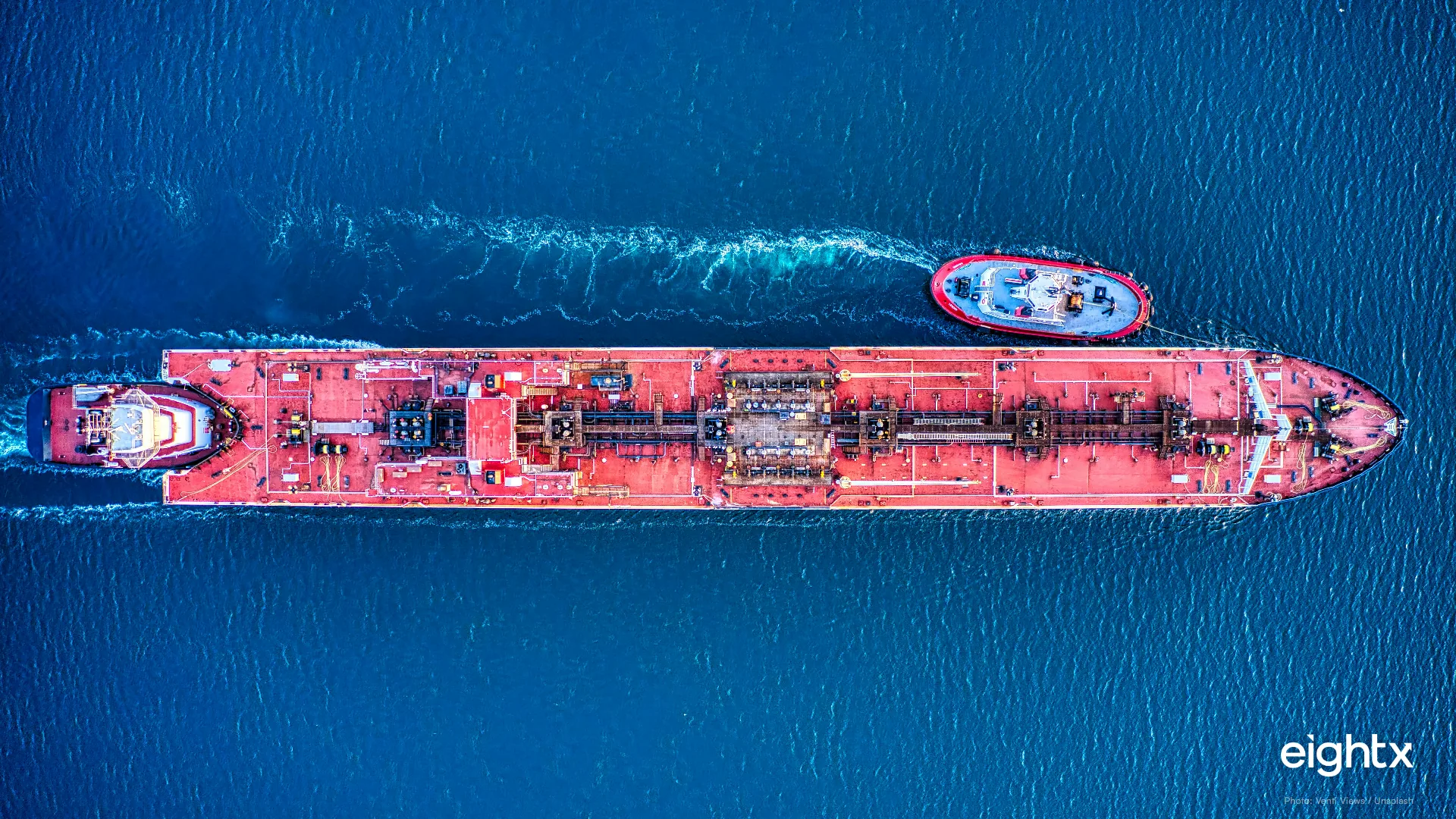
Key Takeaways
- The Strait of Hormuz carries about 20 million barrels of oil a day, roughly a fifth of the world's petroleum-liquids trade, per the US EIA. Saudi Arabia, the UAE, Iraq, Qatar and Kuwait export through it.
- In Q1 2026 flows through the strait fell by about 6 million barrels per day, down nearly 30%. A fragile US-Iran ceasefire held in late June, and on June 27 a widened route near Oman was announced.
- China is the single biggest buyer of oil moving through Hormuz. It drew down crude stockpiles and cut imports, which cushioned the global price shock. Chinese demand is now a swing factor in how bad any shock gets.
- For a DTC operator the transmission chain is indirect and lagged: an oil shock raises diesel, bunker fuel and petrochemical feedstocks, which raises freight and the cost of plastics, packaging and synthetic fibers, which lands in COGS weeks to months later.
- The point is not to predict the strait. It is that your COGS has exposure to an energy chokepoint you do not control, and most brands have never quantified it. Build the sensitivity, scenario-plan a shock, then revisit pricing.
If you run a DTC or CPG brand, the most useful business story this week looks like it has nothing to do with you. The New York Times reported on June 29 on China, Iran and the Strait of Hormuz, the narrow Gulf shipping lane that carries about a fifth of the world's oil. It reads like a geopolitics-and-energy story. For an operator it is something more practical and easier to miss: it is a reminder that a slice of your cost of goods is wired to an oil chokepoint you do not control, and most brands have never put a number on that exposure. We track exactly this transmission in our live DTC Input-Cost Index.
Let me be honest about the connection up front, because it is a chain, not a switch. The Strait of Hormuz is an oil story. It only reaches your business after several steps, and on a lag. For the building blocks of that chain see what is landed cost and what is COGS, and read on for how a fractional CFO frames an exposure like this.
What happened
The US EIA estimates that about 20 million barrels of oil move through the Strait of Hormuz every day, roughly a fifth of the world's petroleum-liquids trade. The main exporters through it are Saudi Arabia, the UAE, Iraq, Qatar and Kuwait. Because so much crude passes through one narrow point, the strait is the most important oil chokepoint on earth.
Through an ongoing 2026 crisis, flows have been disrupted. In the first quarter of 2026, oil-and-products volumes through the strait fell by about 6 million barrels per day, down nearly 30%. A fragile US-Iran ceasefire held for several days in late June, and on June 27, 2026 a widened transit route near Oman was announced to ease naval traffic. The New York Times reported the detail that kept the shock from being worse: China, the single biggest buyer of oil through the strait and the biggest buyer of Iranian crude, drew down large crude stockpiles and cut imports, which helped keep prices from spiking even higher. Earlier in the year, CNN had flagged the same tension as a live risk to oil and fuel prices.
| Strait of Hormuz 2026 | Figure |
|---|---|
| Daily oil flow | ~20 million barrels per day (US EIA) |
| Share of world oil trade | ~20%, about one fifth (US EIA) |
| Q1 2026 flow decline | ~6 million barrels per day lower, down nearly 30% |
| Main exporters | Saudi Arabia, UAE, Iraq, Qatar, Kuwait |
| Largest buyer | China (also biggest buyer of Iranian crude) |
| China share via strait, 2024 | ~one third of China's oil imports |
| Late-June development | Fragile ceasefire; widened Oman route announced June 27 |
Source: US EIA Today in Energy (volumes, share, exporters); New York Times (China's role and stockpiling); CNN (price risk). Figures are widely cited estimates of average flows, not exact-to-the-barrel readings.
Returns are quietly eating your margin. See by how much.
Get our Real Cost of Returns calculator: plug in your numbers, see the true hit per return.
Check your inbox. We'll send the Real Cost of Returns calculator shortly.
The honest version of the connection
Here is the part where most "what this means for your business" takes overreach, so this one will not. A tanker being turned away in the Gulf does not change your P&L that day. It may never change it at all. The link from the strait to your cost of goods is real, but it is indirect, it is lagged, and the size of it depends on things outside the Gulf entirely, including how much oil China decides to pull from its own stockpiles.
So the claim is deliberately narrow. It is not that the strait will close, or that diesel will spike on a date you can plan around. It is that a meaningful slice of your landed cost is exposed to this chokepoint, through a chain you can trace, and that the exposure is worth measuring precisely because the event is not worth predicting. The goal is not a forecast. It is knowing your own number.
The transmission chain into your COGS
Walk the chain one link at a time, because each link is where the abstract becomes a line item.
| Link in the chain | What it does to your cost |
|---|---|
| Oil and energy price rises | The starting shock, set well upstream of you |
| Diesel and bunker fuel follow | Raises the cost of ocean freight, trucking and last-mile delivery |
| Petrochemical feedstocks follow | Raises the price of plastics, packaging, synthetic fibers and many beauty and supplement ingredients |
| Landed cost catches up, on a lag | Higher freight and material costs arrive weeks to months later in your next production run and freight invoices |
Source: standard energy-to-input transmission; Eightx live cost-of-goods modeling. Magnitude and timing vary by vertical and contract terms.
The two doors the shock comes through are the ones to watch. The first is freight, because diesel and bunker fuel are the cost of moving anything, and that shows up in your shipping invoices and your freight cost line. The second is materials, because oil is the feedstock behind the plastics in your packaging, the synthetic fibers in apparel and a long list of beauty and supplement ingredients. A brand that imports finished goods feels it through freight and through the next factory quote. A brand that buys packaging and raw materials feels it in the bill of materials. Neither feels it immediately, which is exactly why it is so easy to leave unmodeled until it is already in the numbers.
For where your landed cost sits before any of this moves, our average CPG landed cost per unit by vertical and the DTC cost-of-goods index are the baseline to measure the move against.
What to watch next
Three moves separate an operator who manages this exposure from one who gets surprised by it.
- Build the sensitivity, do not guess it. Put an energy and freight line into your COGS model and ask one question: if diesel or feedstock prices rise by a set percentage, what happens to landed cost per unit and to contribution margin per order? Run a moderate case and a severe case. That single sensitivity converts a geopolitical headline into a number you can manage.
- Scenario-plan the shock, do not react to it. Decide in advance what you would do at each level of cost increase, which SKUs you would reprice, which you would absorb, where you would re-source. A plan written calmly beats a decision made in a panic the week freight invoices jump.
- Watch China as the swing factor. How bad any shock gets depends partly on the largest buyer. Chinese stockpiling and demand cushioned this one. That is not something you control, but it is something to factor into how much weight you put on any single scare, and it is one more argument for sizing exposure rather than forecasting events. Our work on China import dependence for DTC sits right next to this.
The operator takeaway
The Strait of Hormuz is an oil story. For a DTC brand it is an input-cost story, and the honest framing is the whole value here. You cannot predict the strait, and you should not try. What you can do is know how much of your cost of goods rides on an energy chokepoint, through freight and through petrochemical inputs, that you do not control.
So treat this the way you would treat any other risk you can measure but not steer. Build the energy and freight sensitivity into your COGS model. Scenario-plan a shock instead of reacting to one. Keep an eye on China, because the largest buyer's stockpiling and demand now help decide how severe any disruption becomes. And revisit pricing, sourcing or hedging only after you have sized the exposure, never before. The brands that get hurt by an energy shock are rarely the ones that saw it coming. They are the ones that never knew their own number.
Frequently Asked Questions
what is the Strait of Hormuz and why does it matter?
The Strait of Hormuz is a narrow shipping lane between the Persian Gulf and the open ocean, and it is the single most important oil chokepoint in the world. The US EIA estimates about 20 million barrels of oil move through it every day, roughly a fifth of global petroleum-liquids trade. Saudi Arabia, the UAE, Iraq, Qatar and Kuwait all export crude through it. Because so much of the world's oil passes through one narrow point, any disruption there moves global energy prices, which is why a Gulf shipping lane ends up mattering to a DTC brand's cost of goods.
what happened with the Strait of Hormuz in 2026?
Through an ongoing 2026 crisis, oil-and-products flows through the strait fell by about 6 million barrels per day in the first quarter, down nearly 30% from normal. A fragile US-Iran ceasefire held for several days in late June, and on June 27, 2026 a widened transit route near Oman was announced to ease naval traffic. China, the biggest buyer of oil moving through the strait, drew down large crude stockpiles and cut imports, which helped keep prices from spiking even higher than they otherwise would have.
how does an oil chokepoint affect a DTC brand's costs?
Indirectly, and on a lag, which is exactly why it gets ignored. An oil and energy shock raises two things that sit inside your cost of goods. First, diesel and bunker fuel, which are the cost of moving your freight and your last-mile delivery. Second, petrochemical feedstocks, which are the raw material behind plastics, packaging, synthetic fibers in apparel, and many beauty and supplement ingredients. None of this hits your P&L the day a tanker is turned away. It arrives weeks to months later in freight invoices and in the landed cost of your next production run.
why is China central to the Strait of Hormuz story?
China is the single biggest buyer of oil moving through Hormuz and the biggest buyer of Iranian crude. In 2024 it received roughly a third of its oil via the strait. That makes Chinese behavior a swing factor in any disruption. In the 2026 crisis China drew down large crude stockpiles and cut imports, which softened the global price impact. For an operator, the lesson is that how bad an energy shock gets depends partly on choices made by the largest buyer, not just on events in the Gulf, and that is one more reason the exposure is hard to predict and worth planning for rather than forecasting.
should I change my pricing because of the Strait of Hormuz?
Not as a first move. Repricing on a headline is how brands overcorrect into a shock that may never reach their landed cost. The right order is to size the exposure first. Build an energy and freight sensitivity into your COGS model so you know what a given move in diesel does to landed cost per unit and to contribution margin. Then scenario-plan a shock so you have a decision ready. Only after you have quantified the exposure should you revisit pricing, supplier terms or any hedging. Pricing is the last step, not the reflex.
how do I build an energy or freight sensitivity into my COGS model?
Start by separating the parts of your landed cost that move with energy from the parts that do not. Freight and last-mile move with diesel and bunker fuel. Packaging, plastics and synthetic materials move with petrochemical feedstocks. Then ask a single question in your model: if diesel or feedstock prices rise by a set percentage, what does that do to landed cost per unit and to contribution margin per order? Run it at a few levels, say a moderate and a severe move. That one sensitivity turns an abstract geopolitical risk into a number you can actually manage, and it is the same engine we use in our live cost-of-goods work.
is this just fear-mongering about a risk that may never happen?
It would be if the claim were that the strait will close or that prices will spike on a schedule. That is not the claim, because no one can predict the strait. The claim is narrower and verifiable: a meaningful slice of your cost of goods, your freight and your petrochemical-based inputs, is exposed to an energy chokepoint you do not control, and most brands have never measured how exposed. Quantifying that exposure costs you an afternoon in your model. It is not a forecast. It is knowing your own number before an event forces you to learn it the expensive way.